
Vietnam aims to develop green, environmentally friendly agriculture that adapts to climate change and reduces pollution.
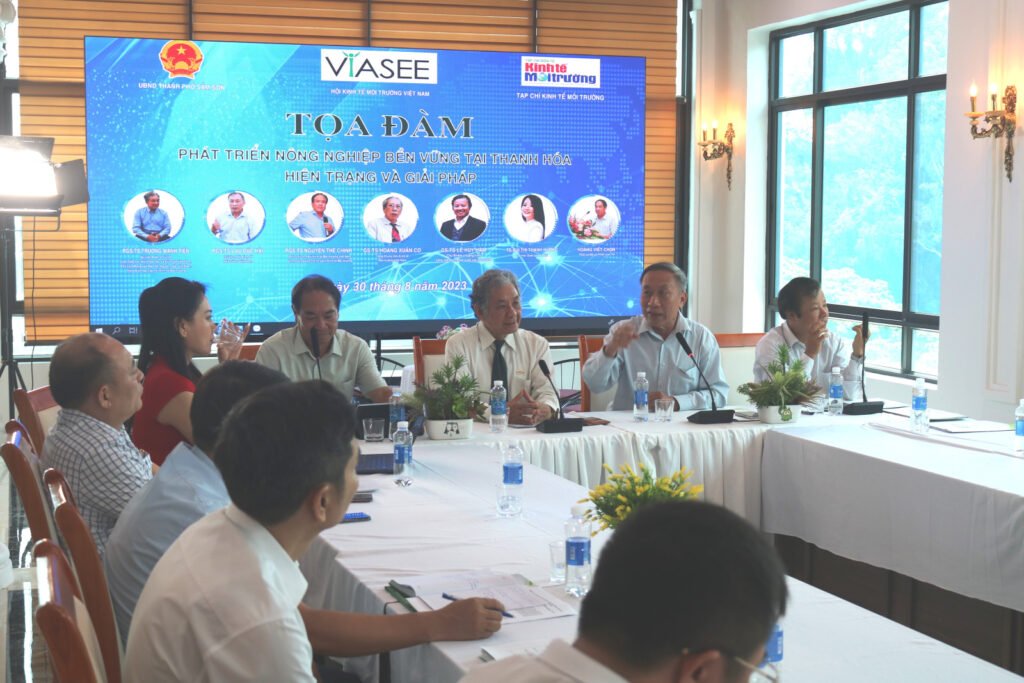
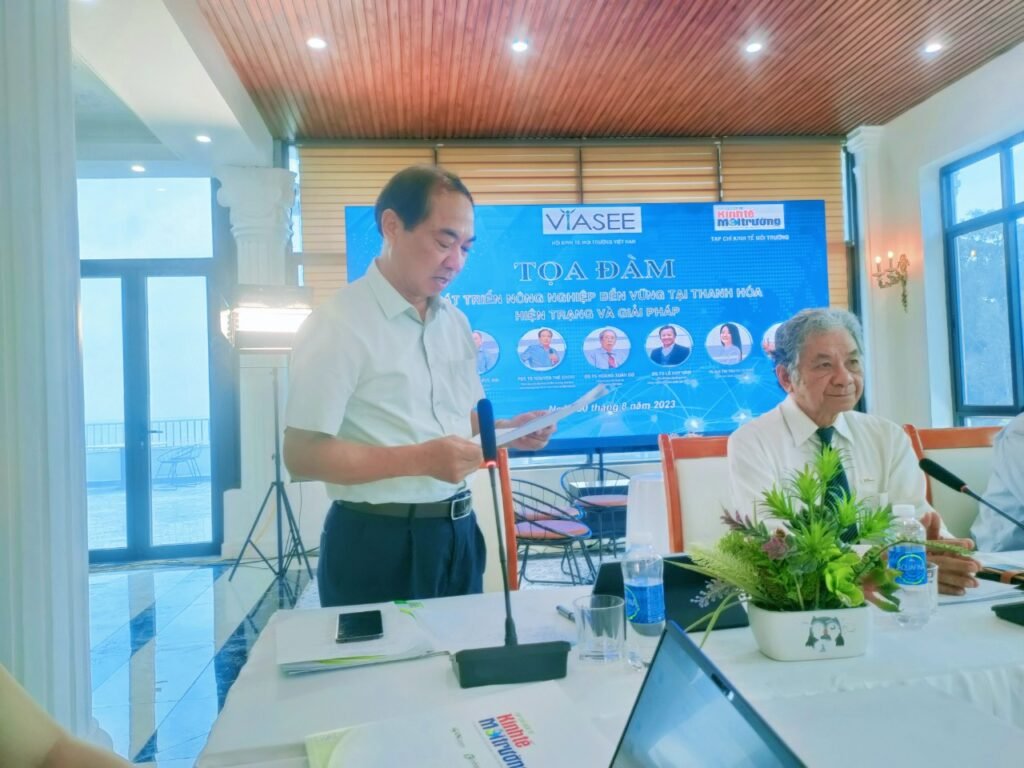
On August 30, the Environment & Economy Journal in collaboration with the Department of Agriculture and Rural Development (DARD) of Thanh Hóa Province organized a roundtable discussion titled:
“Sustainable Agricultural Development in Thanh Hóa: Current Situation and Solutions.”
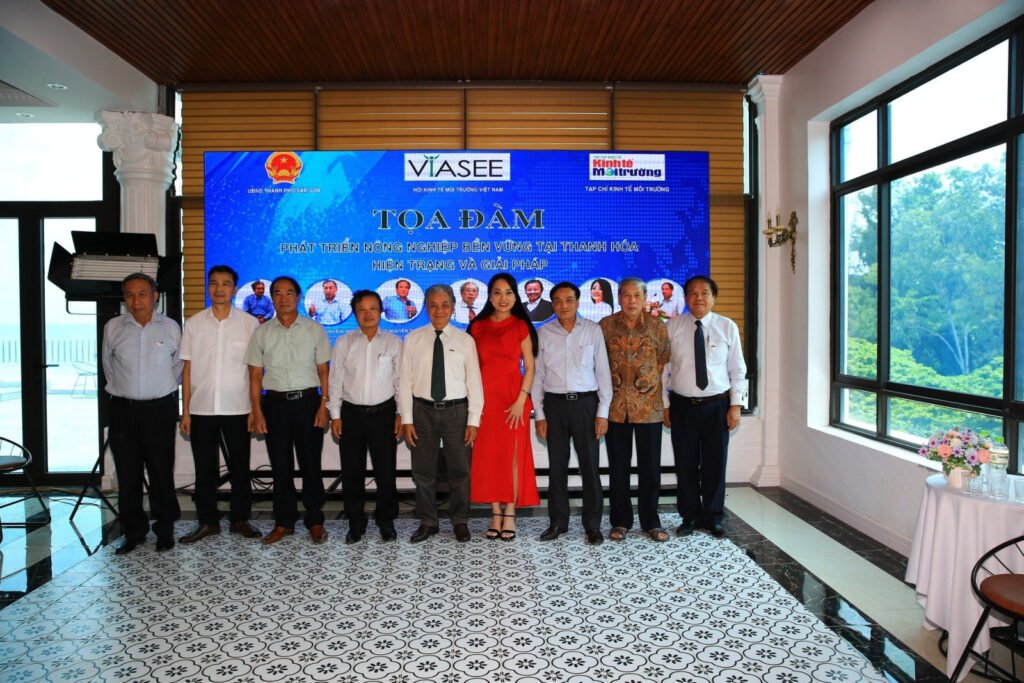
The event was chaired by Assoc. Prof. Dr. Trương Mạnh Tiến – Member of the Presidium of the Vietnam Union of Science and Technology Associations (VUSTA), Founding President of the Vietnam Association for Environmental Economics, and Editor-in-Chief of Environment & Economy Journal.
Also attending were Assoc. Prof. Dr. Lưu Đức Hải – President of the Vietnam Association for Environmental Economics; Assoc. Prof. Dr. Nguyễn Thế Chinh – Vice President of the Association and Director of the Institute of Environmental Economic Policy; journalist Nguyễn Tường Quân – Vice President of the Association and Executive Deputy Editor-in-Chief of Environment & Economy Journal; Prof. Dr. Hoàng Xuân Cơ – Secretary General of the Association. Particularly notable were the presences of Prof. Dr. Lê Huy Hàm – Head of the National Biotechnology Program 2021–2030; Dr. Bùi Thị Thanh Hương – Vietnam National University, Hanoi; and Prof. Dr., Meritorious Teacher Nguyễn Xuân Cự.
From Thanh Hóa province, Mr. Hoàng Viết Chọn – Deputy Director of DARD – attended along with officials from various provincial departments. The event also welcomed representatives from agricultural enterprises as well as central and local media agencies.
Food Security – A Crucial National Goal
Opening the roundtable, Assoc. Prof. Dr. Lưu Đức Hải emphasized:
“Human history is entering an extremely important stage, with the rapid development of science and technology profoundly impacting our lives. However, we are also facing huge challenges such as climate change, natural disasters, and pandemics.
Climate change makes agricultural development increasingly difficult. Vietnam has maintained positive GDP growth even during periods of global economic slowdown. Especially, Thanh Hóa – the country’s third-largest delta province – draws significant attention regarding sustainable agriculture to improve livelihoods and prosperity for local people and for Vietnam as a whole.”
After obtaining approval from the People’s Committee of Thanh Hóa Province and relevant departments, the Vietnam Association for Environmental Economics and its Environment & Economy Journal coordinated to organize this meaningful event.
The roundtable featured two sessions:
- Session 1: Presentations and expert reports under the chairmanship of Assoc. Prof. Dr. Trương Mạnh Tiến.
- Session 2: A roundtable dialogue with participation from relevant stakeholders.
During Session 1, Dr. Tiến highlighted that ensuring food security has long been a strategic priority for all nations, especially in the context of global climate change threatening supply chains. At COP27 in Egypt, food security was once again one of the most urgent topics, with world leaders warning of unprecedented risks.
Domestically, Vietnam is implementing the Sustainable Agriculture and Rural Development Strategy 2021–2030, Vision to 2050, built on three pillars:
- Ecological Agriculture
- Modern Rural Areas
- Civilized, Smart Farmers
The agricultural sector is transitioning toward high-tech, diversified, low-emission, resource-efficient, and biodiversity-friendly production. Vietnam strives to develop green, climate-resilient agriculture while reducing rural pollution and aims to cut greenhouse gas emissions by 10% compared to 2020.
Most recently, on August 5, 2023, Prime Minister Phạm Minh Chính issued Directive No. 24/CT-TTg on strengthening national food security and promoting sustainable rice production and export, assigning clear responsibilities to ministries, localities, businesses, and farmers.
In Thanh Hóa, the People’s Committee’s Decision No. 3416 approves the plan to develop the province’s key agricultural products for 2021–2025, with a vision to 2030 — focusing on productivity, quality, competitiveness, and sustainability. The province is also implementing smart and high-tech farming zones, building value chains from production to consumption, and promoting clean, organic, and circular agriculture (as outlined in Directive No. 10-CT/TU, October 16, 2022). Plans for organic agriculture and high-tech smart farming to 2030 have been initiated.
Expert Insights and Local Advantages
Experts agreed that Thanh Hóa has strong potential and favorable conditions to develop a sustainable agricultural economy. They offered recommendations to enhance the province’s existing strengths while protecting ecosystems and increasing the economic value of agricultural products.
Prof. Dr. Lê Huy Hàm (Head of the National Biotechnology Program 2021–2030) noted:
“Even in the most developed countries where agriculture accounts for only 1–2% of GDP, food security remains the top priority.
In Asia, where farmland per capita is low, the issue is even more critical. In Vietnam, food security is fragile due to land conversion for industrial zones and infrastructure.
Agriculture here is still small-scale and fragmented, making it difficult to adopt new technologies.To develop sustainable agriculture, we need to apply scientific and technological advances to create new crop varieties, high-quality, eco-friendly fertilizers, and other innovations.”
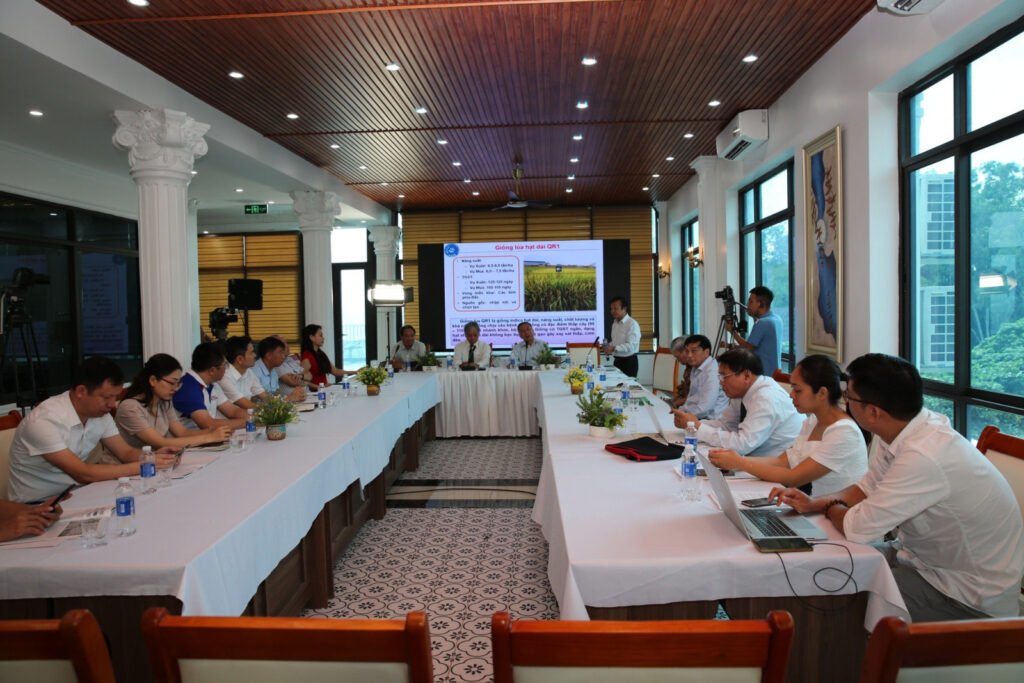
The roundtable also created an opportunity for agricultural enterprises to consult experts, exchange experiences, and explore potential partnerships.
Mr. Trần Văn Tân, CEO of Phong Cách Mới Construction & Trading JSC (Quảng Xương, Thanh Hóa), shared:
“Our company partners directly with farmers to secure raw materials for production. This ensures jobs and income for local people while allowing them to manage their household activities.
However, accessing affordable agricultural loans remains challenging. If businesses like ours could borrow at 5–6% annual interest, Vietnamese products would compete fairly in the global market.”
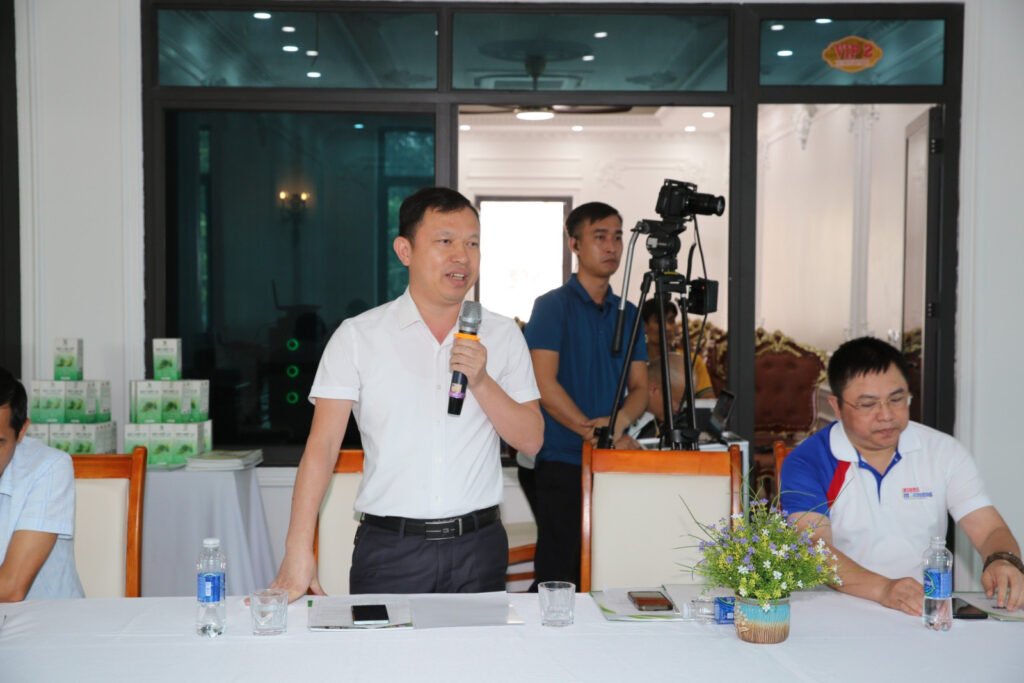
Representing provincial authorities, Mr. Hoàng Viết Chọn – Deputy Director of Thanh Hóa DARD – expressed gratitude for the event and affirmed:
“Agriculture and food security have always been core priorities in Thanh Hóa’s development strategy. Agriculture is the backbone of our economy, and food security is fundamental to social stability and well-being.”
Circular and Sustainable Agriculture Perspectives
Several leading experts in circular economy and sustainable agriculture also shared their insights.
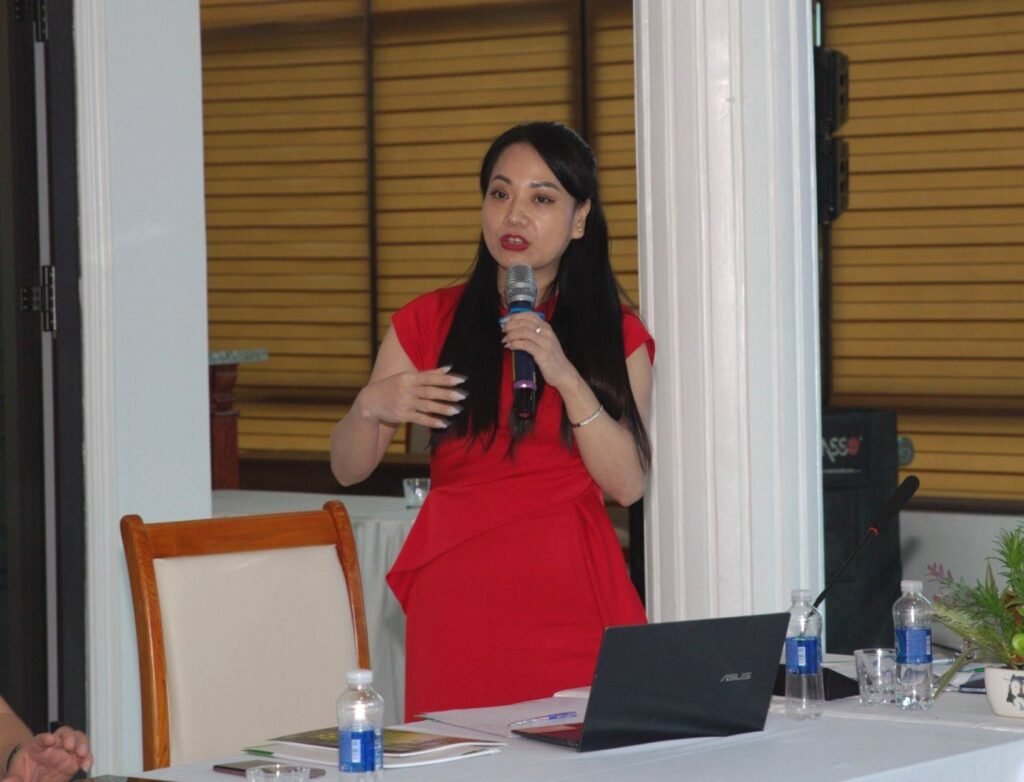
Dr. Bùi Thị Thanh Hương (Vietnam National University, Hanoi) praised the creation of such a meaningful forum and suggested expanding similar events nationwide:
“Circular agriculture relies on two key points:
- Retaining and reusing agricultural waste;
- Building new agricultural value chains from that waste.
Vietnam already has successful models such as VAC, RVAC, and VHC, which can inspire further development.”
Other experts, including Assoc. Prof. Dr. Nguyễn Thế Chinh (Vice President, Vietnam Association for Environmental Economics) and Prof. Nguyễn Xuân Cự, also contributed valuable analyses.
During the intermission, organizers showcased green and sustainable agricultural products from local farmers and businesses, allowing participants to observe and experience innovative solutions.
Session 2: Open Discussion & Policy Recommendations
The second session, moderated by Assoc. Prof. Dr. Trương Mạnh Tiến, featured open discussions.
Prof. Dr. Hoàng Xuân Cơ (Secretary General of the Association) presented updated data:
- Thanh Hóa’s agricultural growth averaged 3.41% annually (2021–2023).
- Agricultural output in 2023 reached 36.7 trillion VND, up 3.6 trillion VND from 2020.
- Structure shifts: agriculture fell from 69.1% (2020) to 67.2% (2023); forestry rose from 7.9% to 9.2%; fisheries from 23% to 23.6%.
- Food production hit 1.585 million tons; forest coverage reached 53.6%; 97% of rural households now have access to clean water.
- The province counts 13 districts, 359 communes meeting new rural standards, 81 advanced NTM communes, 14 model NTM communes, 245 model villages, and 391 OCOP products rated and ranked.
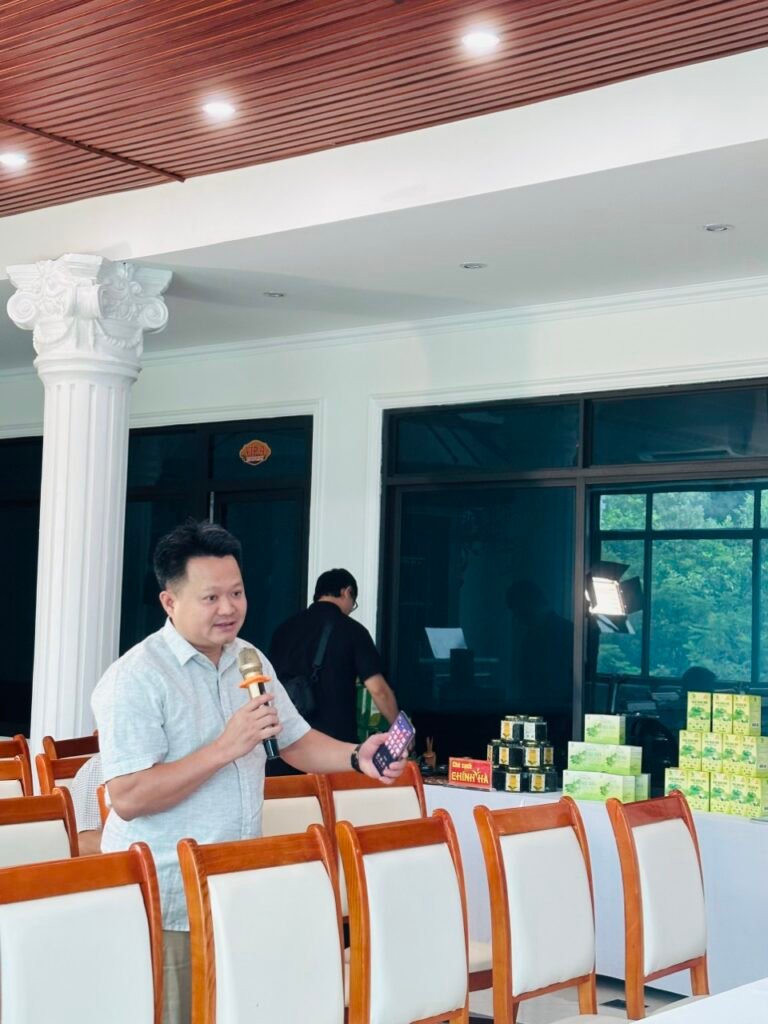
Dr. Hồ Quang Hòa (Vietnam National University) stressed the need to improve farmer knowledge and for scientists and businesses to innovate crop varieties and farming practices suitable for local conditions.
Assoc. Prof. Dr. Nguyễn Thế Chinh reiterated the Party and State’s strategy of rapid and sustainable development, with agriculture as a foundation. He emphasized that foreign partners strongly value certified organic and sustainable production.
Concluding the discussion, Dr. Hồ Quang Hòa, himself a Thanh Hóa native, expressed hope:
“This forum is a valuable opportunity to assess the real situation, identify challenges, and find solutions for sustainable and circular agriculture. To achieve this, we must change outdated farming mindsets and help farmers adopt more effective and safer practices.”
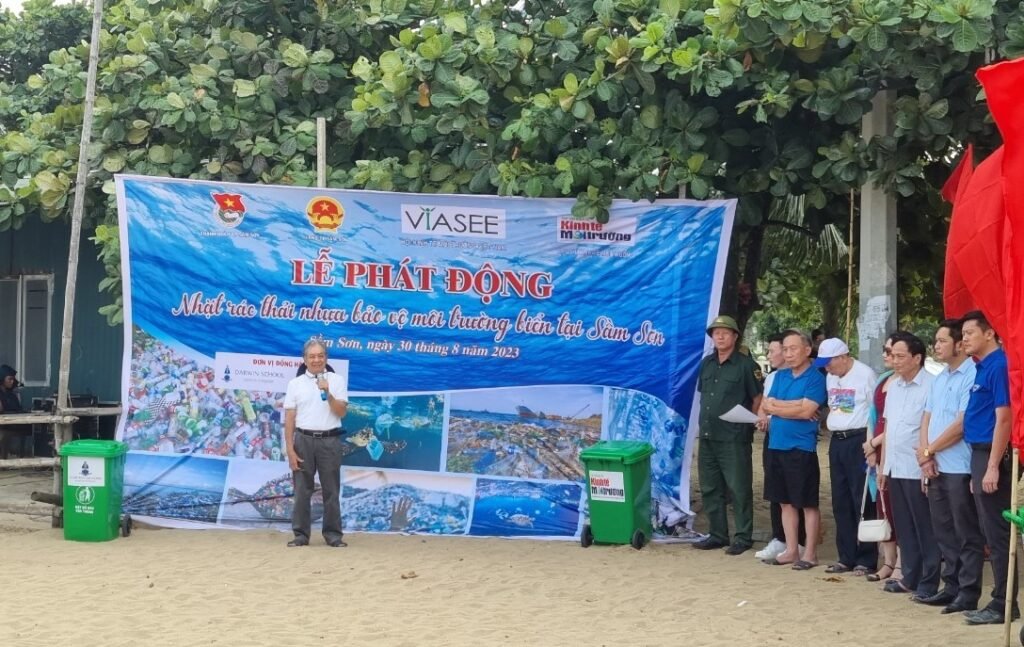
The event closed with Assoc. Prof. Dr. Trương Mạnh Tiến launching a plastic waste clean-up initiative to protect the marine environment in Sầm Sơn, Thanh Hóa.